Release time: September 01, 2026
Views: 106
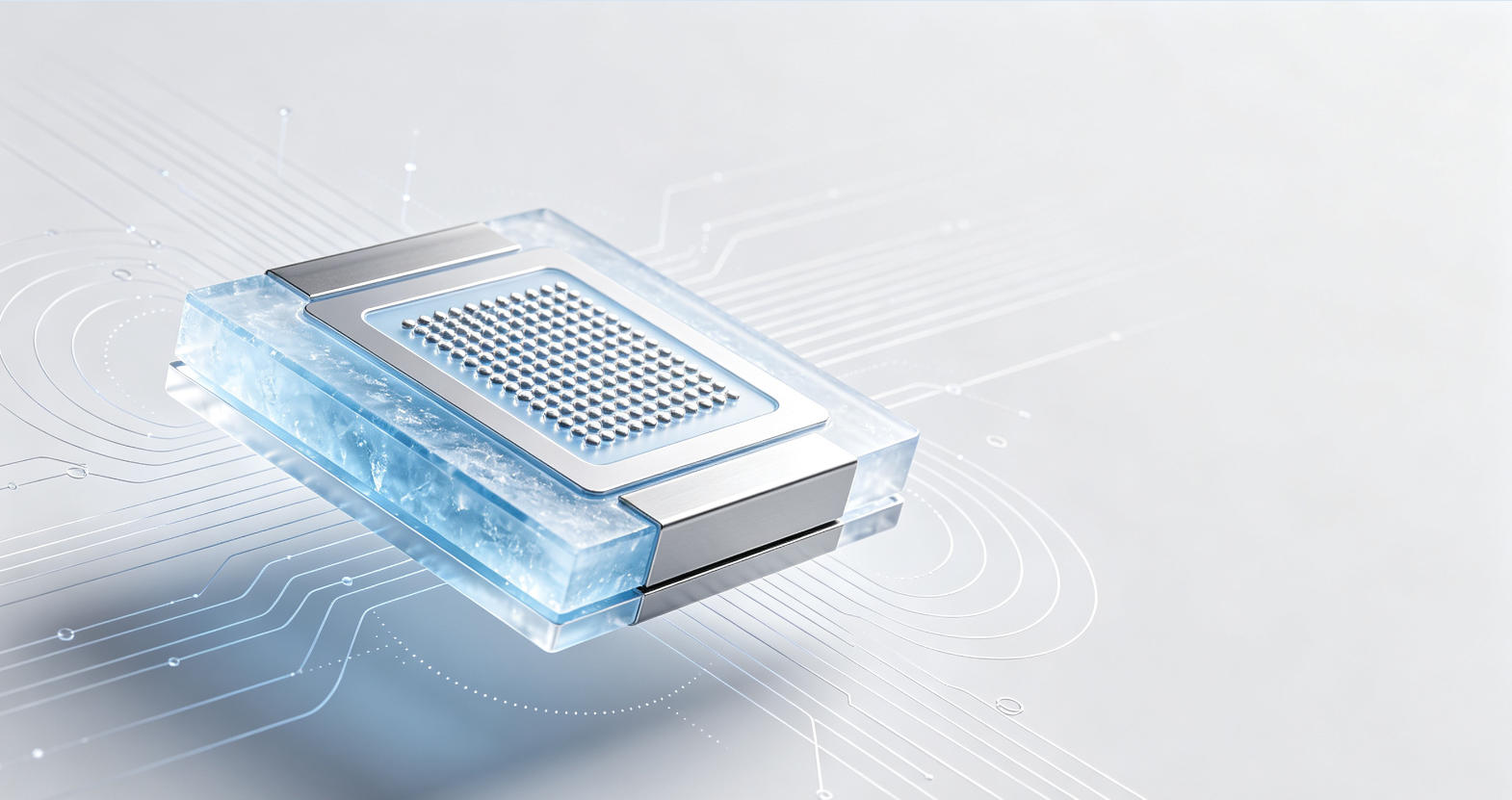
Driven by the rapid advancement of precision medicine, mobile diagnosis and treatment, and home chronic disease management, medical equipment is undergoing a comprehensive upgrade from traditional large fixed devices to miniaturized, portable, intelligent, and low-noise stable solutions. As a fundamental core function of medical devices, temperature control directly determines the activity of biological samples, the safety of pharmaceutical storage, the accuracy of diagnosis and treatment outcomes, and the reliability of detection data.
Traditional medical cooling systems mainly adopt compressor-based refrigeration. Although they deliver high cooling power, they have inherent limitations. These conventional systems are bulky and heavy, equipped with numerous mechanical moving parts that generate vibration and noise during operation. They rely on chemical refrigerants for heat exchange, leading to common issues such as aging and wear, refrigerant leakage, and significant temperature fluctuations after long-term operation. For lightweight devices including handheld medical equipment, portable refrigeration units, and desktop precision testing instruments, traditional compressor structures fail to meet integration requirements and cannot satisfy strict medical standards for high-precision constant temperature, long-term stability, and sterile safety.
Against this industry backdrop, medical-grade thermoelectric cooling (TEC) technology has emerged as the mainstream temperature control solution for next-generation precision medical devices. Featuring pure physical thermoelectric conversion, refrigerant-free operation, zero mechanical vibration, ultra-high temperature control accuracy, and bidirectional cooling and heating switching, medical-grade TEC chips undergo rigorous precision calibration, aging testing, and biocompatibility verification. Capable of stable, high-precision, low-fluctuation long-term operation, they perfectly fit diverse medical scenarios such as diagnosis and testing, pharmaceutical storage, and rehabilitation physiotherapy, ranking among the most adaptable core components for micro-precision medical temperature control.
1. Core Working Principle of Thermoelectric Cooling: Peltier Effect-Based Pure Physical Precision Temperature Control
Thermoelectric cooling is a solid-state thermoelectric conversion technology built on the Peltier effect, fundamentally different from conventional compression and absorption medium-based refrigeration methods. Physically, when electric current passes through a thermocouple circuit composed of two dissimilar semiconductor materials, carrier migration triggers energy transfer, forming a stable heat-absorbing cold end and a heat-dissipating hot end on the two sides of the semiconductor module. This energy conversion relies solely on electronic physical movement, eliminating the need for refrigerants, pistons, compressors, or mechanical transmission structures.
A medical-grade thermoelectric cooling module consists of alternating arrays of P-type and N-type semiconductor thermoelectric grains, encapsulated with high-insulation, high-thermal-conductivity, and high-voltage-resistance alumina ceramic substrates for structural compactness and durability. Forward current energizes the cold end for rapid and precise cooling, while reverse current automatically swaps the cold and hot ends to enable uniform heating. This reversible thermoelectric conversion enables TEC modules to achieve dual-mode bidirectional temperature control.
With an all-solid-state structure free of moving parts, consumable components, and liquid media, medical-grade TEC modules deliver exceptional structural reliability. While traditional compressors offer a service life of 5 to 8 years, high-quality medical-grade thermoelectric cooling chips support a continuous stable working life of up to 200,000 hours. This performance meets the demands of medical devices for long-term uninterrupted standby, frequent start-stop operation, and persistent constant-temperature maintenance, significantly reducing post-operation maintenance costs and failure rates.
2. Four Core Advantages of Medical-Grade Thermoelectric Cooling for Medical Scenario Demands
Medical scenarios impose far stricter requirements on temperature control systems than civilian and industrial applications, prioritizing precision stability, operational safety, scenario adaptability, and environmental compatibility over basic cooling speed and temperature difference. Medical-specific TEC modules stand out in the industry thanks to four irreplaceable technical strengths.
2.1 Ultra-Miniature and Lightweight Design for Portable Medical Device Integration
Traditional compressor refrigeration units are large and heavy, requiring substantial installation space and heat dissipation ducts, making them incompatible with handheld, wearable, and compact desktop medical devices. In contrast, medical-grade TEC modules feature a thickness of only several millimeters, flexible size specifications, and ultra-light weight with a flat and regular structure. They require no complex supporting structures and allow simple and fast installation.
These modules can be seamlessly embedded into handheld physiotherapy devices, portable medical refrigeration boxes, desktop micro-detection instruments, endoscopic temperature control modules, and mini emergency cold compress equipment. This enables full miniaturization and portability of medical devices, greatly improving the convenience of on-site medical treatment, outdoor emergency rescue, and home patient care.
2.2 Ultra-High Precision Temperature Control Eliminates Deviations to Ensure Medical Safety
Temperature deviation is a critical risk factor for medical experiments, pharmaceutical storage, and clinical treatment. Temperature-sensitive medical supplies including biological reagents, nucleic acid detection samples, insulin, and growth factors may lose biological activity, cause detection data errors, or lead to pharmaceutical waste with merely ±1℃ temperature fluctuation. Traditional compressors only achieve a temperature control accuracy of ±1℃ to ±2℃, failing to meet high-end medical precision standards.
Medical-grade thermoelectric cooling modules deliver stable precision control ranging from ±0.1℃ to ±0.5℃, with customized high-end versions achieving ultra-precise constant temperature control of ±0.01℃. The modules respond rapidly to temperature adjustments, locking target temperatures within tens of seconds without overshoot or frequent fluctuations. Supporting long-term stable constant temperature maintenance, they reliably sustain standard operating conditions such as 2–8℃ insulin storage and constant-temperature sample incubation, eliminating medical risks caused by temperature instability.
2.2 Bidirectional Cooling and Heating Switching for Multi-Scenario Universal Application
Most traditional refrigeration devices only support single cooling functions and cannot meet diverse demands such as low-temperature insulation, constant-temperature heating, and post-operative rewarming. Leveraging the reversible Peltier effect, medical-grade TEC modules freely switch between cooling and heating modes with an adjustable temperature range.
The cooling mode supports wound cold compress detumescence, low-temperature sample preservation, constant-temperature pharmaceutical storage, and instrument temperature stabilization. The heating mode enables targeted clinical rewarming, preheating of equipment in low-temperature environments, reagent constant-temperature incubation, and hot compress rehabilitation therapy. A single temperature control component covers dual cold and hot working conditions, simplifying medical device structural design, reducing R&D and production costs, and improving overall equipment utilization.
2.3 Silent, Vibration-Free and Eco-Friendly for High-Standard Medical Environments
Operating rooms, inspection laboratories, ICUs, and high-end medical aesthetic clinics require ultra-stable environmental conditions. Mechanical vibration and noise can interfere with precision instrument operation and disrupt clinical environments. Adopting all-solid-state operation without motor rotation or piston movement, medical TEC modules run at noise levels below 35dB with zero mechanical vibration interference.
Furthermore, the refrigerant-free design eliminates Freon and chemical emissions, fully complying with clean medical environment standards and international environmental certifications. Module materials pass strict biocompatibility tests, featuring non-toxicity, corrosion resistance, and easy sterilization, fully adapting to sterile, clean, and safe medical application scenarios.
3. Five Mainstream Medical Application Scenarios Empowering Precision Medical Upgrading
With the integrated advantages of miniaturization, high precision, superior stability, bidirectional temperature control, and environmental safety, medical-grade TEC technology has been widely applied in multiple medical segments, solving core technical pain points of traditional medical equipment.
3.1 Medical Aesthetics and Minimally Invasive Cryotherapy: Traditional liquid nitrogen cryotherapy devices suffer from uncontrollable temperature and excessive temperature differences, easily causing normal skin frostbite and post-operative pigmentation. TEC temperature control modules support accurate temperature setting and stable temperature output, enabling safe and precise minimally invasive cold therapy for sensitive areas such as the face and eye periphery, improving treatment accuracy and post-operative recovery effects.
3.2 Portable Drug Storage for Chronic Disease Management: For temperature-sensitive medications including insulin, biological agents, and peptide drugs, TEC-powered portable medical refrigerators stably maintain a 2–8℃ constant temperature environment. This enables safe drug storage in home, commuting, business travel, and outdoor scenarios, effectively preserving drug molecular activity for chronic disease patients.
3.3 Precision In Vitro Diagnosis and Biological Detection: High-end diagnostic instruments such as PCR nucleic acid detectors, biological sample analyzers, and constant-temperature incubation equipment are extremely sensitive to temperature stability. Minor temperature fluctuations directly affect amplification efficiency and detection accuracy. High-precision medical TEC modules provide long-term constant temperature working conditions, stabilizing equipment operation and improving the repeatability and accuracy of medical detection data.
3.4 Outdoor Emergency Rescue and Pre-Hospital First Aid: Low-temperature cold compress is critical for detumescence, hemostasis, and inflammation inhibition in outdoor trauma and acute injury rescue. TEC cooling devices feature fast startup, rapid refrigeration, portability, and wide power supply compatibility, quickly forming stable cold compress temperatures to optimize pre-hospital injury treatment and save rescue time.
3.5 Post-Operative Repair and Rehabilitation Physiotherapy: Skin barriers after surgery and medical aesthetic treatment are fragile and require mild, constant, and controllable low-temperature repair. TEC temperature control systems deliver stable constant-temperature cold compresses without sudden temperature stimulation, effectively relieving wound redness, swelling, and stinging, stabilizing skin microenvironment, and accelerating wound healing and post-operative rehabilitation.
4. Professional Selection Guide for Medical-Grade Thermoelectric Cooling Modules
Many medical equipment R&D manufacturers mistakenly replace medical-grade TEC modules with industrial-grade alternatives simply based on basic parameter matching. This leads to common problems including unstable temperature control, precision drift, failure to pass medical certification, and shortened service life. Four core dimensions must be focused on for medical-grade product selection.
4.1 Prioritize High-Precision Medical-Grade Models: Medical devices must adopt dedicated TEC modules with a temperature control accuracy of ±0.1℃ to ±0.5℃. Industrial-grade modules with accuracy above ±1℃ feature poor long-term stability and temperature drift, failing to meet strict standards for medical detection, pharmaceutical storage, and precision treatment.
4.2 Match Structural Design and Heat Dissipation Conditions: The temperature control performance of TEC modules highly depends on the heat dissipation system. Model selection requires comprehensive matching of size, power, and temperature difference parameters according to equipment installation space, heat dissipation structure, ambient temperature, and continuous working duration, avoiding cooling attenuation, temperature drift, and overheating protection caused by insufficient heat dissipation.
4.3 Verify Medical-Level Reliability Qualifications: Medical electronic components require excellent insulation, stability, temperature resistance, and biological safety. Qualified medical TEC modules must pass strict aging tests, high and low temperature cycle tests, insulation voltage resistance tests, and biocompatibility verification to ensure long-term stable operation and safety compliance.
4.4 Focus on Actual Working Conditions Rather Than Laboratory Parameters: Many TEC products exhibit excellent laboratory indicators but suffer from severe precision attenuation under continuous load operation. Manufacturers are advised to prioritize real medical scenario application cases, long-term stability data, and actual working condition test reports to ensure stable mass production performance.
5. Industry Frequently Asked Questions (FAQ)
Q1: What are the core differences between medical-grade and industrial-grade thermoelectric cooling modules?
The core differences lie in precision stability, manufacturing standards, testing systems, and safety levels. Industrial-grade TEC modules focus on cost performance and basic cooling functions without strict precision calibration, prone to temperature drift and performance attenuation during long-term operation. In contrast, medical-grade modules adopt high-precision grain screening, precision packaging technology, and piece-by-piece accuracy calibration, with thousands of hours of aging stability testing. They feature minimal temperature error, high consistency, and full medical compliance, supporting long-term continuous operation in medical scenarios.
Q2: Can medical thermoelectric cooling modules support heating and constant-temperature incubation?
Yes. Leveraging the reversible Peltier effect, medical TEC modules freely switch between cooling and heating modes, supporting low-temperature refrigeration and medium-high temperature constant-temperature heating. They fully meet diverse scenario demands including sample incubation, equipment preheating, wound rewarming, and constant-temperature insulation, realizing full-temperature-range temperature control with a single chip.
Q3: How to select the optimal TEC model for new medical device R&D?
Model selection depends on three core parameters: installation size, maximum working temperature difference, and rated voltage and current. Medical devices vary greatly in structural space, temperature control range, heat dissipation conditions, and working duration, making standardized models unable to cover all customized demands. It is recommended to cooperate with professional temperature control manufacturers for working condition evaluation and accurate customized selection.
5. Conclusion: The Preferred Temperature Control Solution for Precision Medical Devices
As medical devices continue to upgrade toward high precision, intelligence, and portability, the limitations of traditional compressor refrigeration solutions have become increasingly prominent. With unique advantages including all-solid-state structure, refrigerant-free environmental protection, ultra-high temperature control precision, bidirectional temperature regulation, silent vibration-free operation, and long service life, medical-grade thermoelectric cooling technology has become the mainstream temperature control solution for precision medical equipment.
Widely applicable to high-end in vitro diagnostic instruments, laboratory precision equipment, portable constant-temperature refrigeration devices, and rehabilitation physiotherapy devices, medical-grade TEC modules provide stable, reliable, and safe temperature control support for precision medical upgrading.
HuaJing Temperature Control specializes in the R&D and manufacturing of medical-grade thermoelectric cooling modules, deeply catering to the medical industry’s core demands for miniaturization, high precision, high consistency, and long-term operational stability. Our full-series medical-grade TEC modules achieve ±0.1℃ high precision, with multiple rounds of rigorous reliability testing and biocompatibility verification. The products are widely compatible with PCR detection equipment, medical endoscopes, portable constant-temperature refrigeration devices, and cold-hot integrated physiotherapy equipment. We provide one-on-one professional technical support for equipment R&D, model selection, and customized solution development, helping medical device enterprises realize high-precision temperature control upgrading and compliant product commercialization.
 Contact Our Thermal Experts:
📞 +86 18575222950 (WeChat/WhatApps)
📧 EMAIL: sale02@hj-tc.com
🌐 Browse products: https://www.huajingtc.com (Huajing Cooling Solutions)
Optimize your UAV & Laser & Beauty system's performance with Huajing's advanced thermoelectric cooling technology.


Looking for more
information?

0755 23405284
Email: sale02@hj-tc.com
Add: 3/F No.5 Building,Yesun Pingshan Life and Health Technology Park, No. 19 Linhui Road,Pingshan District, Shenzhen, Guangdong,CN.
©2019- 2024 Huajing Co.,Ltd.Copyright