Release time: March 25, 2026
Views: 415
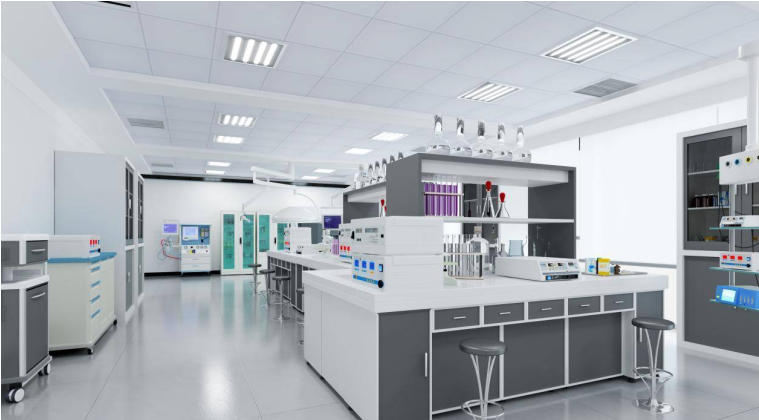
Medical laboratory testing instruments used for disease diagnosis, disease research, and pharmaceutical analysis have advanced rapidly with the application of high-tech and computer-based experimental methodologies. As instruments become more automated, functionally enhanced, and miniaturized, their structures have grown more compact and complex, placing higher demands on temperature control technology. Thermoelectric cooling (TEC) modules, with their advantages of small size, precise temperature control, high reliability, low noise, and dual cooling/heating capabilities, play a crucial role in the temperature control systems of medical laboratory testing instruments and are widely adopted in modern medical laboratory equipment.
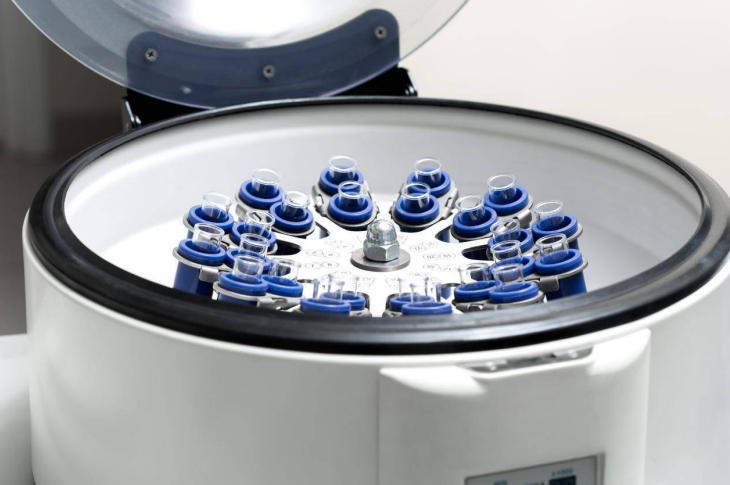
Centrifuges separate liquids of different concentrations (such as blood cells and plasma) using centrifugal force. Under high-speed rotation, sample components gradually settle at the bottom of test tubes, enabling DNA separation from solutions. Centrifugation results are affected by several technical parameters, including rotational speed and duration, with temperature control being the most critical factor. The temperature during centrifugal extraction must meet strict requirements; even a deviation of several degrees Celsius from the standard can severely compromise sample quality, making centrifuges with precise temperature control highly popular in the market.The temperature control module of centrifuges equipped with thermoelectric cooling technology adjusts the voltage of TEC modules through automatic tuning of PID parameters via a fuzzy PID algorithm, thereby controlling the cooling or heating of the TEC modules. This enables accurate and rapid temperature control within the centrifugal chamber of ultra-speed centrifuges.
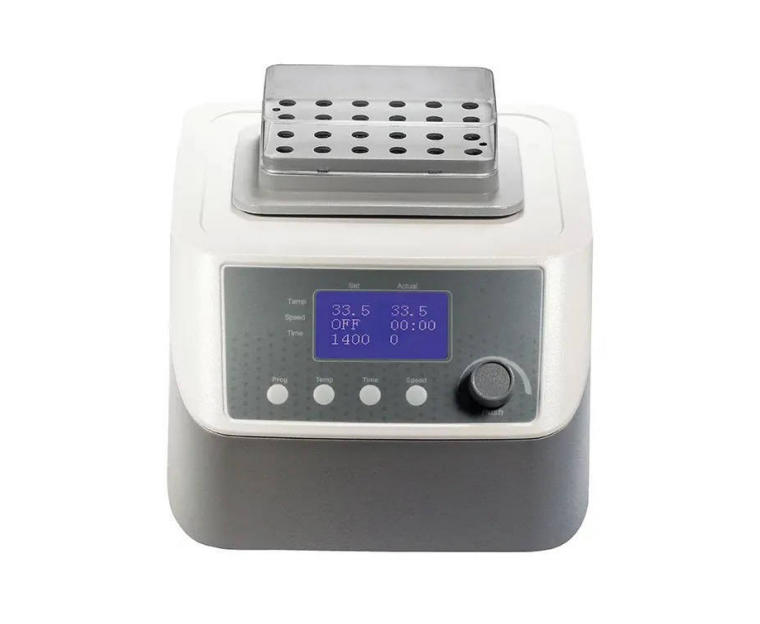
Constant temperature metal baths are used for sample preservation in various analytical instruments, enzyme storage and reactions, denaturation treatment of nucleic acids and proteins, PCR reactions, pre-denaturation for electrophoresis, serum coagulation, aging tests of various product materials, and more.Constant temperature metal baths adopting thermoelectric cooling technology feature high temperature control accuracy and excellent sample parallelism. Compared with water baths, they offer faster heating/cooling rates, lower noise, smaller size, and greater portability.Equipped with microprocessor-based PID precise temperature control, these devices perfectly integrate thermoelectric cooling and heating functions, greatly shortening experimental operation time and improving staff efficiency. They are ideal automated tools for reaction processes such as sample incubation, catalysis, and preservation.
Low-temperature incubators are ideal constant-temperature equipment for scientific research institutions in environmental protection, health and epidemic prevention, pharmaceutical inspection, agriculture, animal husbandry, aquaculture, and other fields. They provide storage for culture media, serums, and pharmaceuticals, as well as microbial cultivation and environmental testing.Low-temperature incubators utilizing thermoelectric cooling technology enable precise chamber temperature control, feature both cooling and heating functions, and operate with low noise.
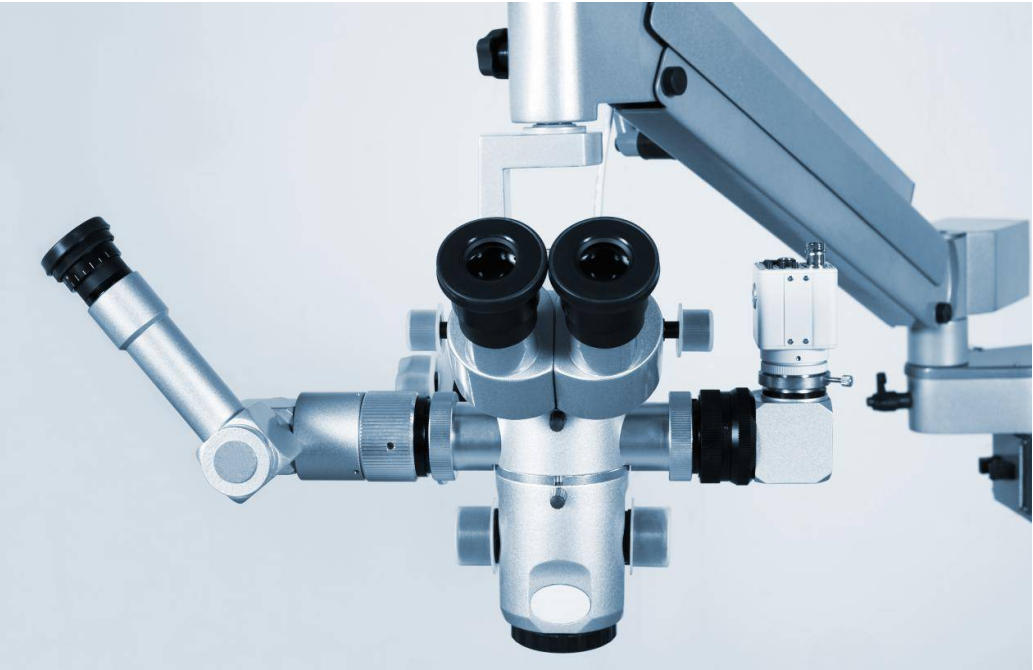
Digital microscopes incorporate multiple imaging sensors and Field-Programmable Gate Array (FPGA) semiconductors to enhance image quality and camera functionality. Since the resolution of CCD and CMOS sensors decreases with rising temperature, lower sensor temperatures are required for long-exposure imaging. To achieve the optimal operating temperature for digital microscopes, a temperature control system is needed to cool the imaging sensors below ambient temperature.Recirculating coolers based on thermoelectric cooling technology provide precise temperature control with low pulsation and effectively dissipate heat from sensitive electronic components, ensuring maximum image resolution.
Huajing Thermal Control specializes in the R&D, production, sales, and customized services of thermoelectric cooling modules. We have a professional R&D team composed of experts in thermal management and thermoelectric cooling technology, equipped with high-standard laboratories, and our performance testing of temperature control products reaches a leading domestic level.With years of deep cultivation in thermoelectric cooling technology, our customized temperature control equipment solutions and products have served multiple industries including medical treatment, cosmetology, communications, testing instruments, and consumer electronics!
 Contact Our Thermal Experts:
📞 +86 18575222950 (WeChat/WhatApps)
📧 EMAIL: sale02@hj-tc.com
🌐 Browse products: https://www.huajingtc.com (Huajing Cooling Solutions)
Optimize your UAV & Laser & Beauty system's performance with Huajing's advanced thermoelectric cooling technology.


Looking for more
information?

0755 23405284
Email: sale02@hj-tc.com
Add: 3/F No.5 Building,Yesun Pingshan Life and Health Technology Park, No. 19 Linhui Road,Pingshan District, Shenzhen, Guangdong,CN.
©2019- 2024 Huajing Co.,Ltd.Copyright